Why Your Homemade Pizza is Bland (And The Flavor Secrets That Changed Everything For Me)
For years, my homemade pizza was… fine. Edible. A fun activity for a Friday night, but never great. It always lacked that certain something – the depth of flavor, the undeniable ‘oomph’ that makes you crave a slice from your favorite pizzeria. I’d try different sauces, fancier cheeses, fresh basil, and still, it was just… bland. I felt like I was missing some fundamental secret, and honestly, it was frustrating. What was everyone else doing right that I wasn’t? This wasn’t just about a recipe; it was about unlocking the true potential of homemade pizza night.
Key Takeaways
- Embrace low-and-slow cooking for your sauce to develop profound umami, moving beyond quick simmer recipes.
- Infuse your crust with subtle but impactful flavors like garlic powder or dried herbs to create a savory foundation.
- Layer your cheeses strategically, combining high-moisture mozzarella with aged, flavorful varieties for complexity.
- Prep your vegetables by pre-roasting or sautéing to concentrate their flavors and avoid a watery, undercooked texture.
The Sauce Mistake: Speed Kills Flavor
My biggest revelation came with the sauce. For years, I approached pizza sauce like a quick weeknight pasta sauce: open a can of crushed tomatoes, add some Italian seasoning, simmer for 15-20 minutes, and call it a day. The result? A thin, acidic, one-dimensional flavor that actively detracted from the pizza. This was the mistake I see most often. You’re rushing the foundation.
What changed everything for me was adopting a low-and-slow approach, almost like a Sunday gravy. I start with high-quality canned San Marzano tomatoes, either crushed or whole and hand-crushed. The key is to build flavor before simmering. I sauté finely minced garlic and a pinch of red pepper flakes in olive oil until fragrant, then add the tomatoes, a bay leaf, and a small amount of dried oregano. Crucially, I resist adding sugar. Instead, to balance acidity naturally, I’ll sometimes grate in a tiny bit of carrot or add a splash of balsamic vinegar at the very end. The real magic happens when you let it barely simmer, uncovered, for at least 2-3 hours, or even longer. This allows the water to evaporate, concentrating the tomato flavor, deepening the color, and developing incredible umami. The difference is night and day. My sauce went from a mere liquid to a rich, complex core of the pizza’s flavor.
The Neglected Crust: Don’t Just Bake It, Flavor It
The crust is often treated as a mere vehicle for toppings. I certainly did. Most recipes focus on texture – crispy, chewy, airy – but neglect flavor. In my experience, a bland crust is a silent saboteur of the entire pizza. It’s the largest component of your pizza, and if it tastes like plain bread, the whole experience falls flat.
What changed everything for me was a simple addition to my dough recipe. When mixing the flour, water, yeast, and salt, I now consistently add 1 teaspoon of garlic powder and 1/2 teaspoon of dried oregano per 500 grams of flour. Sometimes I’ll even swap a small portion of the water for a dark beer or ale for an extra layer of malty depth. After the dough rises, before stretching, I lightly brush the outer crust with a high-quality olive oil infused with a smashed garlic clove and a sprinkle of flaky sea salt. This creates an incredibly aromatic edge that perfectly complements the rich sauce and savory toppings. This subtle infusion of flavor turns the crust from an afterthought into an essential, delicious part of every bite.
Cheese Strategy: Beyond Just Mozzarella
My early pizzas were always 100% low-moisture, shredded mozzarella. While it’s a pizza staple for its melt and stretch, relying solely on it is a mistake. It’s a workhorse, not a flavor powerhouse. I learned that true pizza connoisseurs layer their cheeses to build complexity.
What changed everything for me was adopting a multi-cheese approach. I still use low-moisture mozzarella, but sparingly. It provides the classic melt. However, I always introduce a stronger, more flavorful cheese. A generous grating of aged Parmesan or Pecorino Romano adds a sharp, salty, umami kick. For some pizzas, I’ll even add dollops of fresh mozzarella (drained very well and torn into small pieces to prevent excess water), or a few crumbles of goat cheese or Gorgonzola for a tangy, pungent counterpoint. The key is balance – you don’t want any one cheese to overwhelm. It’s about building a chorus of flavors. For instance, a classic pepperoni pizza benefits immensely from a mix of low-moisture mozzarella, a scatter of fresh mozzarella, and a final shower of grated Parmesan after it comes out of the oven. The fresh mozzarella adds creaminess, the low-moisture gives the stretch, and the Parmesan provides a salty, nutty finish that ties it all together.
The Topping Transformation: Don’t Just Pile, Prep
Another common mistake I made was simply piling raw vegetables straight onto the pizza. Bell peppers, mushrooms, onions – they’d often release water, making the pizza soggy, or remain undercooked and crunchy, disrupting the texture and diluting the flavor of the other ingredients. This creates a watery, anemic topping that feels more like an obligation than an addition.
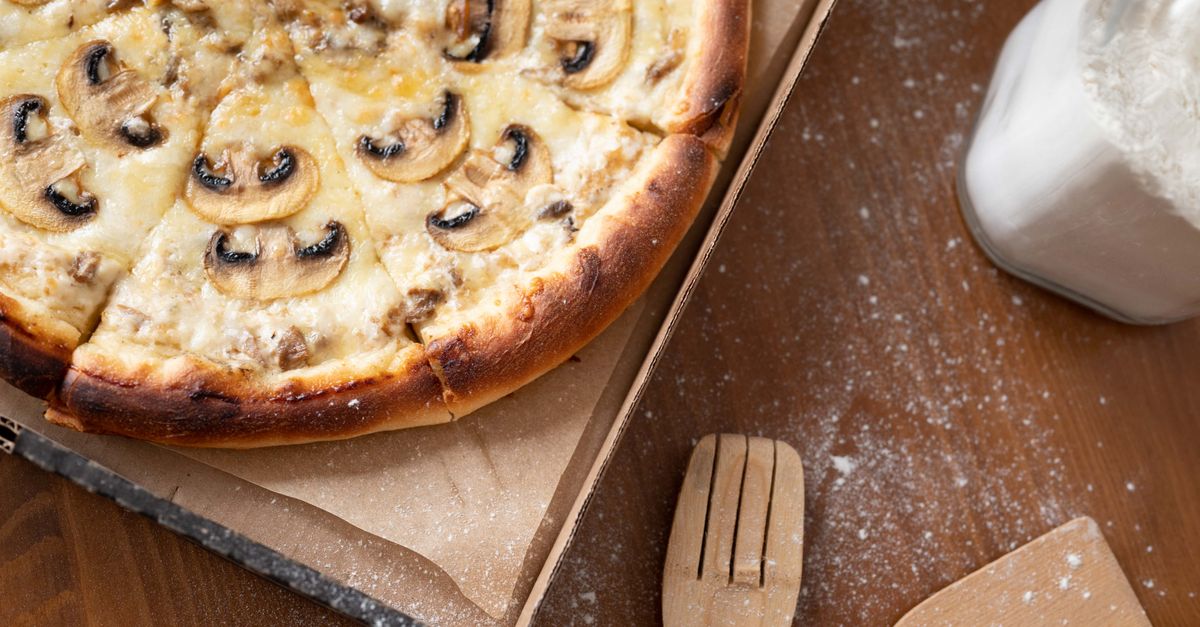
What changed everything for me was learning the art of pre-preparation for toppings. Almost all vegetables benefit from a quick pre-cook. Sliced mushrooms get a rapid sauté in a hot pan to brown and remove moisture. Onions benefit from caramelization, even a quick char under the broiler. Bell peppers can be roasted until slightly softened and their sugars begin to sweeten. Even spinach should be quickly wilted and squeezed dry. This concentrates their flavor, ensures they cook perfectly in the brief pizza oven time, and prevents them from making the crust soggy. For meats like sausage, I’ll pre-cook and crumble it. Pepperoni is an exception; it crisps up beautifully in the oven. Think of it as building flavor in each component before assembly, rather than expecting the pizza oven to do all the work. For example, my favorite mushroom pizza starts with thoroughly sautéed cremini mushrooms, seasoned with a touch of thyme, which delivers a much deeper, more savory mushroom flavor than raw slices ever could.
The Finishing Touch: Salt, Herbs, and Oil
Even after addressing the sauce, crust, cheese, and toppings, there’s one last, often overlooked layer of flavor that can elevate your pizza from good to outstanding: the finishing touches. Many people pull their pizza from the oven and serve it immediately, missing a crucial opportunity to add brightness, freshness, and a final aromatic flourish. This is where you add that last spark.
What changed everything for me was becoming intentional about what happens after the oven. As soon as the pizza comes out, a light sprinkle of flaky sea salt can enhance all the existing flavors. Fresh herbs, particularly basil or oregano, torn and scattered immediately, release their volatile oils in the residual heat, adding an incredible fragrance and fresh bite that cooked herbs simply can’t. A drizzle of high-quality extra virgin olive oil over the top, particularly a robust, peppery one, adds richness and a luxurious mouthfeel. Sometimes, for a more complex profile, I’ll finish with a light grating of fresh garlic or a tiny pinch of lemon zest, especially on a lighter, vegetable-heavy pizza. These small additions are not just decorative; they are vital flavor multipliers, creating a dynamic contrast and depth that makes the pizza truly sing. My guests often remark on the ‘freshness’ of my pizzas, and these post-bake additions are the secret weapon.
Frequently Asked Questions
Q: My pizza crust still tastes a bit bland. What else can I add to the dough?
A: Beyond garlic powder and dried oregano, consider using a portion of whole wheat flour for a nuttier flavor (start with 10-20% of total flour). A small amount of diastatic malt powder can also improve crust browning and flavor development. For a savory depth, dissolve a tiny pinch of Marmite or Vegemite in the water before mixing, or add a tablespoon of grated Parmesan directly to the dough.
Q: My sauce is too acidic. How can I balance it without adding sugar?
A: Instead of sugar, try adding a small amount of finely grated carrot or a spoonful of tomato paste (sautéed briefly to deepen its flavor) during the initial simmering. A splash of good quality balsamic vinegar or a pinch of baking soda (very small, to neutralize acidity) added at the end can also work. Prolonged simmering, uncovered, naturally reduces acidity by concentrating flavors.
Q: What’s the best way to drain fresh mozzarella so it doesn’t make my pizza soggy?
A: Tear the fresh mozzarella into small, bite-sized pieces and spread them out on several layers of paper towels. Gently press down with more paper towels to absorb as much moisture as possible. You can also let it air dry on a wire rack for 30 minutes to an hour before topping your pizza.
Q: My toppings are still watery or undercooked. How can I ensure they’re perfect?
A: Pre-cook all high-moisture vegetables (mushrooms, onions, peppers, spinach) until they’ve released their water and started to brown. Don’t overcrowd your pan during pre-cooking; work in batches if necessary. For denser vegetables like broccoli or potatoes, par-boil or roast them until almost tender before adding them to the pizza. This concentrates their flavor and ensures they finish cooking in sync with the crust.
Q: What kind of olive oil should I use for finishing pizza?
A: Use a high-quality, extra virgin olive oil. Look for one that is cold-pressed, has a robust, peppery finish, and comes in a dark bottle. It should have a fresh, slightly grassy aroma. The higher quality of the oil, the more it will contribute to the overall flavor and aroma of your finished pizza.
My journey from bland, forgettable homemade pizzas to truly crave-worthy creations wasn’t about finding a single magic ingredient, but about understanding the cumulative impact of intentional flavor building at every stage. From developing a rich, slow-simmered sauce to infusing the crust, layering cheeses, and perfectly prepping toppings, each step plays a crucial role. Don’t settle for ‘fine’ pizza anymore. Take these principles into your kitchen this weekend, and I promise, your pizza nights will never be the same.
Written by Sarah Chen
Home Organization & Sustainable Living
A former community organizer, Sarah brings a passion for connecting people with practical solutions.
You Might Also Like

Why Most Meal Delivery Services Fail You (And What Actually Works for Effortless Eating)
Discover why meal delivery services often disappoint and learn the counter-intuitive strategies that deliver genuinely effortless, delicious meals.

Why Your Home Humidifier Isn't Working (And The Simple Fixes Most People Miss)
Discover why your humidifier isn't working and common mistakes. Learn simple, effective fixes for consistent home comfort and better air quality.
Why Your Home Humidifier Isn't Working (And The Simple Fixes Most People Miss)
Troubleshooting your humidifier? Learn common reasons for malfunction and simple, non-obvious fixes to restore optimal performance and comfort.