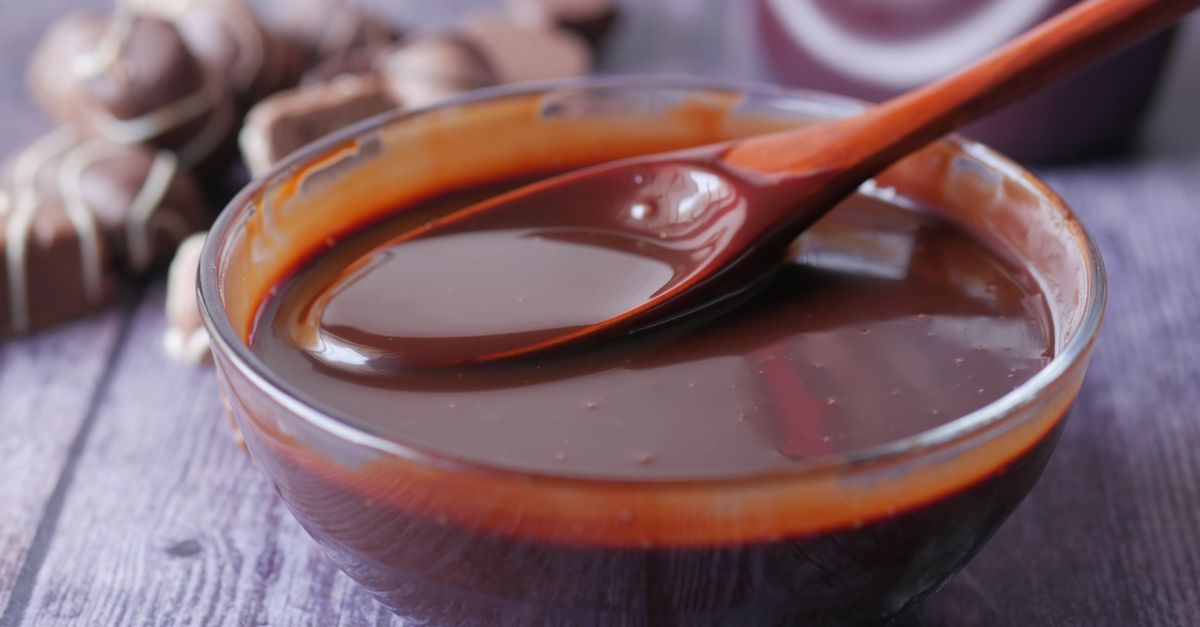
Why Your Homemade Sauces Are Too Thin and Lackluster (And The Pro Secrets for Rich, Velvety Perfection Every Time)
You’ve spent time carefully chopping ingredients, simmering them on the stovetop, and anticipating that rich, flavorful sauce to complete your meal. But when you finally ladle it onto your pasta, spoon it over your roasted chicken, or drizzle it onto your vegetables, it’s… thin. Watery. Lacking that luxurious mouthfeel and deep, satisfying flavor you crave. It’s a common kitchen frustration, and one I personally battled for years, resulting in countless dishes that felt almost right, but never quite restaurant-quality.
I used to think that achieving that perfect sauce was some kind of culinary magic, reserved for professional chefs. I’d follow recipes to the letter, add a pinch of this, a dash of that, and still end up with something passable but forgettable. The mistake I see most often, and one I made myself, is assuming that more liquid or a longer simmer is always the answer. Sometimes, it’s about what you don’t do, or the subtle techniques you’re missing. What changed everything for me was understanding the underlying principles of flavor concentration and emulsion stability, not just blindly following instructions. It’s not about expensive ingredients, but intentional methods.
Key Takeaways
- Ensure adequate reduction early in the cooking process to concentrate flavors and thicken naturally.
- Master the art of building a proper roux or using starch slurries correctly for consistent, lump-free thickening.
- Incorporate high-quality fats and umami-rich ingredients to add body and depth without excess liquid.
- Avoid common mistakes like cooking at too high a heat or adding too much liquid too quickly, which dilutes flavor.
The Overlooked Power of Proper Reduction: It’s Not Just About Simmering Longer
Many home cooks, myself included, misunderstand reduction. We think of it as simply letting a sauce sit on the stove for a long time. While time is a factor, effective reduction is about surface area and controlled heat, and it needs to happen at specific points in your cooking, not just at the end. My early sauces were often thin because I didn’t reduce liquids sufficiently at the beginning stages, especially after deglazing a pan or adding wine or stock.
Think about a classic pan sauce after searing a steak. You remove the steak, add wine or broth to deglaze, and then… what? Most recipes say “simmer until reduced.” But how much? A common error is not reducing this initial liquid by at least half, or even two-thirds, before adding other ingredients. This early, aggressive reduction concentrates the fond (the flavorful bits stuck to the bottom of the pan) and the liquid you’ve added, forming a robust flavor foundation. If you add cream or butter to a sauce that hasn’t been properly reduced at this stage, you’re essentially diluting it from the start. You’ll never achieve that deep, complex flavor and thick consistency, no matter how long you simmer it later.
To correct this, I now make it a rule: after adding wine, stock, or even tomato puree in the initial steps, crank the heat slightly and let it bubble vigorously, scraping the bottom of the pan until the liquid reduces significantly. You’ll see it thicken and cling to the spoon. Only then do I proceed to add more substantial ingredients like crushed tomatoes, cream, or other vegetables. This intentional, early reduction is a non-negotiable step for building a truly rich, velvety sauce. It’s about building flavor density from the ground up, not just thickening a watery mess later on. This method also allows natural sugars to caramelize slightly, adding another layer of depth that simply isn’t present in a sauce that’s just been slowly simmered down.
The Roux Revelation: Why Your Thickener Falls Flat (And How to Master It)
For sauces like béchamel, gravies, or certain creamy vegetable sauces, a roux is your best friend for thickening. Yet, I routinely see home cooks make two critical mistakes with their roux: not cooking it long enough, and adding liquid incorrectly. I used to be guilty of both, resulting in pasty, flour-tasting sauces, or lumpy disasters.
A roux is simply equal parts fat (butter is common) and flour, cooked together. The cooking time is crucial. For a white roux (used in béchamel), you only cook it for 1-2 minutes until it’s pale and fragrant, just enough to cook out the raw flour taste. For a blonde roux (common in gravies), it’s 3-5 minutes, taking on a light golden color and nutty aroma. For a brown roux (essential for gumbos and darker sauces), it can be 10-15 minutes or more, becoming deeply brown and intensely nutty. The longer you cook the roux, the less thickening power it has, but the more flavor it develops. The common mistake: pulling it too early for a darker sauce, leaving it floury, or cooking it too long for a white sauce, reducing its thickening power for its intended purpose.
Equally important is how you incorporate liquid. The cardinal rule: cold liquid into hot roux, or hot liquid into cold roux. Never hot into hot. I keep a whisk handy and slowly pour in cold milk (for béchamel) or hot stock (for gravy) while whisking constantly. This creates a smooth, lump-free base. If you pour in all the liquid at once, or if both are hot, you’re inviting lumps that are difficult to whisk out. I speak from experience with a trash can full of lumpy béchamel. Once you master this technique, your sauces will have a consistently smooth, velvety texture that enhances, rather than detracts from, the overall dish.
The Umami Advantage: Beyond Salt and Pepper for Depth
Many sauces feel ‘flat’ not just because they’re thin, but because they lack a profound depth of flavor. In my experience, this often comes down to an underestimation of umami-rich ingredients. We reach for salt, pepper, maybe some herbs, but we stop short of truly building a complex flavor profile. This was a revelation for me when I started experimenting more intentionally.
Umami, often described as the fifth taste, adds a savory, satisfying richness that makes a sauce feel complete. Instead of relying solely on the main ingredients, I now actively incorporate umami boosters. This might mean adding a tablespoon of tomato paste and cooking it until it darkens slightly before adding liquids (a critical step that unlocks its deeper flavor), a splash of Worcestershire sauce (especially for meaty gravies), a teaspoon of miso paste (dissolved in a little warm liquid first), or even dried porcini mushrooms rehydrated and finely chopped, with their soaking liquid added to the sauce. For vegetarian sauces, nutritional yeast can also contribute a cheesy, savory note.
These additions don’t overpower the sauce; they enhance it, providing a baseline of savory goodness that allows other flavors to shine. For instance, a simple marinara transforms when I cook down tomato paste with garlic before adding crushed tomatoes. The difference is night and day – a brightness and depth that was utterly lacking before. This focus on layering umami has single-handedly elevated my sauces from ‘good enough’ to genuinely memorable.
Embracing Fat: The Secret to Silky Texture and Flavor Carrier
Fat is not the enemy of a good sauce; it’s often the unsung hero, crucial for both texture and flavor. For years, I skimped on fat, thinking I was making a healthier choice. What I was actually doing was sacrificing richness and body, resulting in sauces that tasted thin and felt incomplete on the palate. Proper fat incorporation provides a luxurious mouthfeel and carries flavors throughout the sauce.
Consider the finishing touch on many restaurant sauces: a swirl of cold butter (known as monté au beurre). This technique isn’t just for show; it emulsifies into the sauce, adding incredible gloss, richness, and a silky texture without making it greasy. I’ve adopted this for many of my own sauces. After the sauce has simmered and achieved its desired consistency, I take it off the heat and whisk in 1-2 tablespoons of cold, unsalted butter, one piece at a time. The cold butter helps it emulsify rather than just melt into oil.
Beyond finishing, don’t shy away from using a good quality olive oil for initial sautéing or rendered fat from meat. The fat provides a medium for sautéing aromatics, helping them release their fat-soluble flavors, and eventually integrating into the sauce’s body. For instance, when making a pesto, a generous amount of high-quality olive oil is what transforms it from a chunky herb paste into a vibrant, flowing sauce that clings beautifully to pasta. Understanding the role of fat – as a flavor carrier, a texturizer, and a finishing agent – is paramount to achieving truly velvety, delicious sauces.
Avoiding the Dilution Trap: When Less Liquid Means More Flavor
One of the most insidious reasons homemade sauces turn out thin and lackluster is what I call the
Written by Sarah Chen
Home Organization & Sustainable Living
A former community organizer, Sarah brings a passion for connecting people with practical solutions.
You Might Also Like

Why Most Meal Delivery Services Fail You (And What Actually Works for Effortless Eating)
Discover why meal delivery services often disappoint and learn the counter-intuitive strategies that deliver genuinely effortless, delicious meals.

Why Your Home Humidifier Isn't Working (And The Simple Fixes Most People Miss)
Discover why your humidifier isn't working and common mistakes. Learn simple, effective fixes for consistent home comfort and better air quality.
Why Your Home Humidifier Isn't Working (And The Simple Fixes Most People Miss)
Troubleshooting your humidifier? Learn common reasons for malfunction and simple, non-obvious fixes to restore optimal performance and comfort.