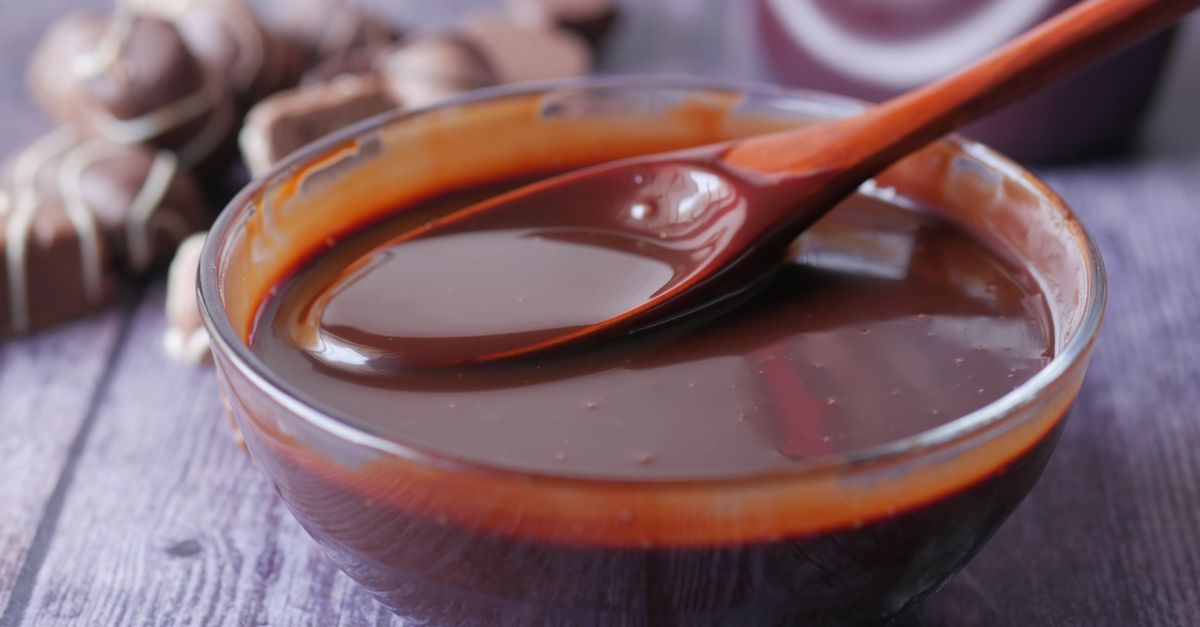
Why Your Homemade Sauces Are Thin and Lackluster (And The Pro Secrets for Rich, Velvety Perfection Every Time)
Have you ever spent an hour lovingly preparing a homemade pasta sauce, a creamy gravy, or a rich curry, only to find it’s a pale, watery imitation of what you envisioned? I certainly have. For years, my sauces were perfectly edible but lacked that restaurant-quality depth and luxurious texture. They’d either be too runny, clinging poorly to pasta, or just taste… flat. It was frustrating, especially when I knew the ingredients were fresh and the effort was there. It felt like a fundamental culinary secret was escaping me, making my home-cooked meals good, but never great. This isn’t just about thickness; it’s about the entire mouthfeel, the way the flavor concentrates, and how it elevates a dish from simple to sensational.
Key Takeaways
- Embrace flavor building in layers by caramelizing aromatics and deglazing the pan deeply before adding liquids.
- Understand that reducing a sauce is critical for concentrating flavors and achieving natural body, often more so than adding thickeners.
- Utilize strategic thickening agents like a roux or beurre manié at the right time for silky, stable textures, rather than relying solely on cornstarch.
- Finish with emulsified fats or dairy off the heat to introduce richness and a velvety mouthfeel without breaking the sauce.
- Master seasoning in stages, tasting and adjusting frequently, to achieve a balanced and vibrant final flavor profile.
The Fundamental Flaw: Rushing the Flavor Base
One of the biggest mistakes I see home cooks make, and one I certainly made for a long time, is rushing the initial flavor building stage. We tend to throw in onions, garlic, and other aromatics, sauté them for a few minutes until translucent, and then immediately add liquids. This is a missed opportunity for profound flavor. Think of your sauce as a story; the aromatics are the opening chapter, setting the tone for everything that follows. If that chapter is weak, the whole narrative suffers.
In my own kitchen, I used to be guilty of this. My Bolognese would simmer for hours, but still taste thin. The revelation came from a chef friend who watched me cook. “You’re not letting the onions sing,” he remarked. He showed me how to cook chopped onions and carrots slowly over medium-low heat with a pinch of salt until they were deeply golden and sweet, almost jam-like. This process, often called caramelization, breaks down sugars and develops complex, nutty flavors that can’t be replicated with quick sautéing. This isn’t just about color; it’s about building a foundational sweetness and umami.
Then comes the deglazing. After those aromatics are perfectly browned, there will be fond – those delicious, sticky brown bits – stuck to the bottom of your pan. Adding a splash of wine, broth, or even water while scraping up this fond is crucial. Those bits are pure flavor, and incorporating them into your liquid base instantly adds a layer of depth that simply dumping ingredients in won’t achieve. I now spend a good 10-15 minutes just on this initial stage, sometimes even longer for a truly rich sauce. It changed everything for my Sunday gravy, turning it from a decent tomato sauce into something my family raves about.
Underestimating the Power of Reduction
Many home cooks (myself included, historically) believe that if a sauce is thin, you just need to add a thickener. While thickeners have their place, they often mask a more fundamental issue: the sauce hasn’t been properly reduced. Reduction isn’t just about making something thicker; it’s about concentrating the existing flavors by evaporating excess water.
I remember making a mushroom sauce for steak once that tasted good but felt like it was missing something. It coated the steak, but just barely, and the mushroom flavor was muted. My instinct was to stir in some cornstarch. Instead, I decided to let it simmer longer, uncovered, over a moderate heat. What started as a generous amount of liquid slowly dwindled, turning from a pale, opaque broth into a glossy, dark amber elixir. The mushroom flavor intensified dramatically, and the sauce naturally thickened to a perfect consistency, coating the back of a spoon beautifully. It was a revelation.
The science is simple: when you reduce a sauce, you’re not adding anything, you’re just taking water away. This leaves behind a higher concentration of all the delicious flavors you’ve built – sugars, acids, salts, and aromatic compounds. It’s why a properly reduced stock tastes so much more robust than plain broth. For many sauces, especially those based on wine, stock, or tomatoes, reduction should be your first line of defense against thinness and blandness. It often eliminates the need for any additional thickeners altogether, leading to a purer, more intense flavor profile. I typically aim to reduce sauces by at least a third, sometimes by half, to get that potent, concentrated taste and natural body.
Relying on the Wrong Thickening Agents (or None at All)
While reduction is king for flavor concentration, sometimes you need a little help to achieve that ideal velvety texture. The mistake is often either skipping thickeners entirely, or using them improperly. Cornstarch is a common culprit; it can make a sauce thick, but often leaves it with a slightly translucent, almost gelatinous texture and can mute flavors if overused or added incorrectly.
What changed my game was embracing roux and beurre manié. A roux is a cooked mixture of equal parts fat (butter or oil) and flour. It’s the backbone of classic gravies, béchamel, and many creamy soups. The key is to cook the flour-fat mixture for a few minutes (for a white roux) or longer (for a blonde or brown roux), to cook out the raw flour taste before adding liquid. I use a white roux for creamy chicken gravies, stirring in cold milk or broth gradually to avoid lumps, then simmering until thick and smooth. The resulting texture is opaque, silky, and stable.
Beurre manié (kneaded butter) is another secret weapon. It’s simply equal parts softened butter and flour kneaded together into a paste. Unlike a roux, it’s added at the end of cooking, a little at a time, to a simmering sauce. Because the butter melts first, coating the flour, it prevents clumping and allows you to control the thickness precisely. I discovered this trick for quick pan sauces and gravies, where I don’t want to start with a roux. A pea-sized ball of beurre manié stirred into a simmering sauce can transform it from watery to perfectly nappe (coating the back of a spoon) in minutes. This method gives sauces a rich, glossy finish that cornstarch rarely achieves.
Neglecting the Finishing Touch: Emulsified Fats and Dairy
Even after building a strong flavor base, reducing, and thickening, a sauce can still feel like it’s missing that final je ne sais quoi – that luxurious, velvety mouthfeel you get in a restaurant. This is often due to neglecting the power of emulsified fats or dairy added off the heat.
I learned this when trying to replicate a restaurant’s lemon butter sauce for fish. My version was lemony and buttery, but it always separated or felt flat. The chef revealed his secret: he would finish the sauce by whisking in cold butter, piece by piece, off the heat. This technique, called monter au beurre, emulsifies the butter into the sauce, creating a stable, glossy, and incredibly rich consistency without making it greasy. The cold butter helps to cool the sauce slightly, preventing the emulsion from breaking.
The same principle applies to dairy-based sauces. Adding cream or crème fraîche directly to a vigorously boiling sauce can cause it to split or curdle, especially if there’s a lot of acid. Instead, I now stir in heavy cream, yogurt, or sour cream at the very end, off the heat or over the lowest possible heat, ensuring it gently warms through without coming to a boil. This preserves the creamy texture and vibrant flavor. For tomato sauces, a swirl of good quality olive oil or a knob of butter stirred in at the end can bring it to life, adding silkiness and rounding out the acidity. These finishing steps add not just richness, but also a beautiful sheen and a more cohesive, integrated flavor that ties the whole sauce together.
Skipping the Final Seasoning Dance
This might sound obvious, but I cannot stress enough how often a seemingly bland or thin sauce is simply under-seasoned, or seasoned too early and then forgotten. Seasoning isn’t a one-time event; it’s a dance, an iterative process of tasting and adjusting. When a sauce is thin, salt and acid can taste more pronounced, and as it reduces, those flavors concentrate, potentially becoming overwhelming if not managed.
My habit used to be adding salt and pepper at the beginning and assuming that was enough. The result? Flat, uninspired sauces. Now, I season in stages: a small amount at the beginning to help draw out moisture and build flavor, another check after reduction, and a final, critical adjustment right before serving. This final check often involves more than just salt. A squeeze of fresh lemon juice or a splash of vinegar can brighten a heavy sauce. A pinch of sugar can balance acidity in tomato sauces. A dash of a flavor enhancer like fish sauce or a secret ingredient like nutritional yeast can add an unidentifiable layer of umami. Even a finely minced fresh herb, added at the very end, can provide a burst of freshness that elevates the whole dish. For a creamy white sauce, a tiny grating of fresh nutmeg is a must. For a rich brown sauce, a touch of mustard or a dash of Worcestershire sauce can make all the difference.
Always taste your sauce in the context of what it’s accompanying. If it’s going over plain pasta, it needs to be seasoned more aggressively than if it’s accompanying a strongly flavored protein. Don’t be afraid to take a spoonful, add a tiny bit of salt or acid, and taste it side-by-side with the original. This disciplined approach to seasoning is the ultimate secret weapon for vibrant, perfectly balanced sauces.
Frequently Asked Questions
What’s the difference between using cornstarch and flour as a thickener?
Cornstarch provides a more translucent, glossy finish and is a stronger thickener than flour, but can result in a slightly ‘slippery’ texture and is more prone to clumping if not mixed into a slurry first. Flour, typically used in a roux or beurre manié, provides an opaque, velvety, and more stable texture, but requires cooking to eliminate a raw flour taste. I prefer flour-based thickeners for richness and stability in most savory sauces.
Can I thicken a sauce that’s already cooked and cooled?
Yes, you can. If using a roux, you’d typically warm the sauce gently, then slowly whisk in the pre-cooked roux. For beurre manié, knead the softened butter and flour, then whisk small pieces into the simmering sauce until the desired thickness is reached. For cornstarch, create a slurry with cold water or broth, then whisk it into the gently simmering sauce, boiling for 1-2 minutes to activate the starch and remove any starchy taste.
My sauce is too thick now! How do I thin it out?
If your sauce becomes too thick, simply whisk in small amounts of the liquid you used as the base (broth, water, wine, milk, etc.) until it reaches your desired consistency. Do this slowly, tasting as you go, to ensure you don’t over-thin or dilute the flavor too much. You may need to adjust seasoning again.
What’s a good alternative to butter for making a roux or for finishing a sauce if I’m dairy-free?
For a roux, you can use any neutral oil (like canola or vegetable oil) or olive oil with flour. For finishing, a high-quality extra virgin olive oil can add richness and a beautiful sheen, or you can use dairy-free milks or creams if the recipe allows and you’re careful with heat.
How do I prevent my cream sauce from curdling?
To prevent cream sauces from curdling, add dairy (like cream, yogurt, or sour cream) at the very end of the cooking process, off the heat or over very low heat. Temper cold dairy by whisking a small amount of the hot sauce into it before adding it back to the main pot. Avoid bringing cream sauces to a vigorous boil, especially after adding the dairy, and be mindful of acidic ingredients, adding them carefully or slightly cooling the sauce before combining.
Embrace the Craft, Taste the Difference
Mastering sauces is one of those culinary skills that truly elevates your home cooking. It’s not about complex recipes or exotic ingredients, but rather understanding the foundational techniques of layering flavor, reducing liquids, and strategically using thickeners. The journey from thin, lackluster sauces to rich, velvety perfection is a rewarding one that transforms everyday meals into something special. It takes a little patience, a willingness to taste frequently, and an appreciation for the process. Once you start paying attention to these details, you’ll find your sauces consistently deliver that deep flavor and luxurious texture that will have everyone asking for your secrets. Start by focusing on deeply browning your aromatics, and you’ll already be halfway there. Happy cooking!
Written by Sarah Chen
Home Organization & Sustainable Living
A former community organizer, Sarah brings a passion for connecting people with practical solutions.
You Might Also Like

Why Most Meal Delivery Services Fail You (And What Actually Works for Effortless Eating)
Discover why meal delivery services often disappoint and learn the counter-intuitive strategies that deliver genuinely effortless, delicious meals.

Why Your Home Humidifier Isn't Working (And The Simple Fixes Most People Miss)
Discover why your humidifier isn't working and common mistakes. Learn simple, effective fixes for consistent home comfort and better air quality.
Why Your Home Humidifier Isn't Working (And The Simple Fixes Most People Miss)
Troubleshooting your humidifier? Learn common reasons for malfunction and simple, non-obvious fixes to restore optimal performance and comfort.