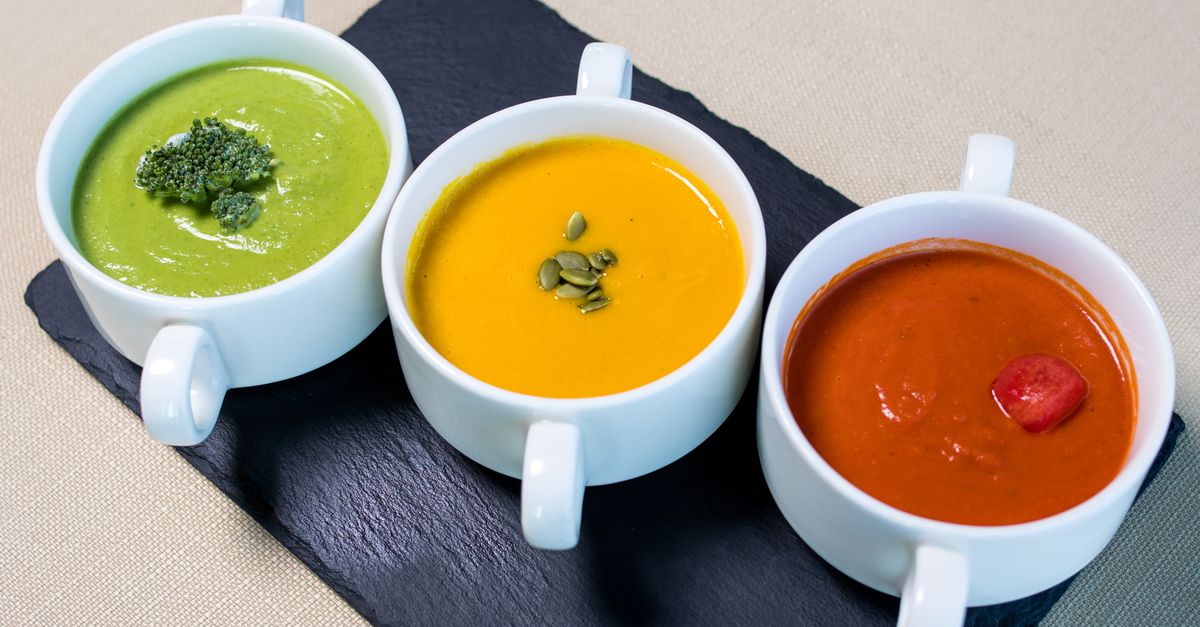
Why Your Homemade Soup is Bland (And The Flavor Secrets That Changed Everything For Me)
Are you tired of making homemade soup that just…falls flat? You spend time chopping vegetables, simmering broth, and carefully following a recipe, only to end up with a bowl that tastes more like hot water than a hearty, comforting meal. I’ve been there more times than I care to admit. For years, my soups were perpetually bland, lacking that elusive depth of flavor you find in restaurant-quality dishes or even a good canned soup. It was frustrating, making me question if I just wasn’t a ‘soup person’ or a ‘good cook.’ The mistake I see most often, and one I made for far too long, is treating soup as a simple collection of ingredients simmered together, rather than a symphony of layered flavors. What changed everything for me wasn’t a secret ingredient or a fancy technique, but a fundamental shift in how I approached building flavor from the ground up. It’s about understanding the ‘why’ behind each addition, rather than just the ‘what.’ In my experience, most home cooks miss these critical steps that elevate soup from mediocre to memorable.
Key Takeaways
- Build a robust flavor base by sautéing aromatics thoroughly before adding liquids.
- Utilize umami-rich ingredients like tomato paste, soy sauce, or Parmesan rinds to deepen savory notes.
- Incorporate acidic elements at the end to brighten flavors and prevent a dull taste.
- Season in layers, tasting and adjusting at multiple stages of the cooking process.
The Fatal Flaw: Not Building a Flavor Foundation
The biggest culprit behind bland soup is almost always skipping or rushing the initial flavor-building stage. Many recipes simply instruct you to ‘sauté onions and garlic,’ but there’s a world of difference between merely softening them and truly caramelizing them to develop a deep, sweet foundation. In my experience, this step is non-negotiable. I used to throw everything into the pot quickly, eager to get to the simmering, and the results were predictably one-dimensional. Now, I dedicate a solid 10-15 minutes, sometimes even 20, to this phase, and it makes all the difference.
Think of it as building the basement of your flavor house. Without a strong foundation, the whole structure will be weak. Start with a good quality fat – olive oil, butter, or even a blend – and add your aromatics: onions, carrots, celery (the ‘holy trinity’ for many soups). The key here is low and slow heat. You’re not trying to brown them quickly; you’re coaxing out their natural sugars. Onions, in particular, need time to release their sweetness and complexity. If they’re just translucent, they’ll contribute a raw, sharp onion flavor instead of a mellow, integrated sweetness. I often add a pinch of salt at this stage too; it helps draw out moisture, allowing the vegetables to caramelize more effectively. Once the vegetables are deeply softened and lightly browned, I add minced garlic and cook for just another minute until fragrant – garlic burns easily, so it goes in later. This process creates a rich, sweet, and savory base that permeates every spoonful of your finished soup.
The Umami Unlock: Adding Depth Beyond Salt
Salt is essential, but it can only do so much. To truly combat blandness and achieve that ‘je ne sais quoi’ depth, you need to tap into umami, the fifth basic taste. Umami provides a savory richness that makes food deeply satisfying and complex. For a long time, I just thought ‘savory’ came from broth, but I learned that intentional umami boosters are a game-changer. The mistake I see most often is relying solely on broth, which, while a good start, often lacks intense umami on its own, especially store-bought varieties.
What changed everything for me was actively incorporating ingredients specifically for their umami punch. My go-to umami arsenal now includes: tomato paste, especially if I’m not using fresh tomatoes, which I’ll sauté for a few minutes with the aromatics until it darkens slightly, concentrating its flavor. A tablespoon of soy sauce or Worcestershire sauce (even in non-Asian or non-meat soups!) can provide an incredible savory boost without making the soup taste explicitly like soy or Worcestershire. For creamier, cheesy soups, a leftover Parmesan rind simmered in the broth adds an unbelievable depth. Even a few dried mushrooms rehydrated and finely chopped, or a splash of mushroom broth, can elevate the umami profile significantly. Don’t be afraid to experiment with these – a little goes a long way, and the difference is profound.
The Acid Test: Why Your Soup Needs a Tangy Kick
This is perhaps the most overlooked element in balancing soup flavors. Many home cooks, myself included in the past, focus only on savory, sweet, and salty. But without a touch of acid, a soup can taste heavy, muddy, or just plain dull, even if it has plenty of salt and umami. Acid acts like a spotlight, brightening and enhancing all the other flavors, preventing them from blending into an indistinct background. The mistake I see most often is a fear of adding anything that might make the soup ‘sour.’
What changed everything for me was understanding that acid is almost always the final secret ingredient. I typically add acidic components at the very end of cooking, just before serving, or even by the individual bowl. My staples for this include a squeeze of fresh lemon juice (especially good in chicken noodle, lentil, or creamy vegetable soups), a splash of red wine vinegar or apple cider vinegar (fantastic in bean soups, stews, or tomato-based broths), or even a dollop of yogurt or sour cream for a creamy, tangy finish. You’re not looking to make the soup taste overtly sour, but to add just enough acidity to wake up the palate and make the existing flavors sing. Start with a small amount, stir, taste, and add more if needed. You’ll be amazed at how a tablespoon of lemon juice can transform a bland soup into something vibrant and exciting.
The Spice Spectrum: Using Herbs and Spices with Intention
Herbs and spices are often treated as an afterthought or a last-minute sprinkle, but they are crucial players in soup’s flavor profile. The mistake I see most often is either using too few, or adding them all at once at the beginning, causing their delicate flavors to dissipate over long cooking times. To truly leverage their power, you need to understand their nature and when to introduce them.
Dried herbs and spices like bay leaves, dried thyme, oregano, cumin, or smoked paprika benefit from being toasted lightly with your aromatics. This ‘blooming’ process in hot fat awakens their essential oils and deepens their flavor. I typically add them after the garlic, letting them cook for a minute or two until fragrant before adding liquids. For heartier, root vegetable-based soups or chilis, whole spices like star anise or cinnamon sticks can add a subtle, complex warmth when simmered from the start, but remember to remove them before serving. Fresh herbs, on the other hand, are delicate and best added towards the end of cooking or as a garnish. Chopped parsley, cilantro, dill, or chives provide a burst of fresh flavor and vibrant color that dried herbs simply can’t replicate. Adding them too early will cause their bright notes to fade into bitterness. I learned to distinguish between ‘simmering herbs’ for depth and ‘finishing herbs’ for brightness, and my soups haven’t been the same since.
The Broth Boost: Elevating Your Liquid Base
While I emphasized not relying solely on broth for flavor, a high-quality liquid base is still fundamental. Many home cooks default to store-bought broths, which can be surprisingly bland, overly salty, or contain artificial flavors that don’t quite hit the mark. The mistake I see most often is not treating the broth itself as an opportunity to build flavor.
What changed everything for me was realizing that even a store-bought broth could be enhanced. Before adding other ingredients, I’ll often simmer my store-bought broth with a few extra scraps: onion ends, carrot peels, celery leaves, a bay leaf, and a few peppercorns for 20-30 minutes. This simple step elevates its baseline flavor significantly. Better yet, making your own stock or broth from scratch, even a simple vegetable stock from kitchen scraps, provides a depth and richness that no commercial product can match. When I use chicken or beef bones for stock, I always roast them first until deeply browned – this caramelization adds incredible color and flavor to the stock. If using plain water, you absolutely must compensate by adding more concentrated flavor agents throughout the cooking process. Think of the broth as the canvas; you want to make sure it’s prepared to hold all the vibrant colors you’re about to paint onto it.
The Layered Seasoning Strategy: Taste, Adjust, Repeat
Finally, the most crucial, yet often rushed, step: seasoning. It’s not a one-and-done deal. The mistake I see most often is seasoning only at the beginning or very end, resulting in either an undersalted, bland soup or an oversalted, inedible one. Flavor develops and changes throughout the cooking process, and your seasoning strategy needs to adapt.
What changed everything for me was adopting a layered seasoning approach. I start with a pinch of salt when sautéing aromatics (as mentioned earlier). Then, after adding the liquid and other main ingredients, I bring it to a simmer and let it cook for a while. Only after about 15-20 minutes of simmering do I taste again and make my first significant salt adjustment. As the soup reduces slightly and flavors concentrate, you’ll need to taste and adjust again. The best practice is to taste frequently, especially towards the end. Add salt, pepper, a touch of acid, or more herbs gradually, in small increments. Remember that you can always add more, but you can’t take it away. I’ve found that a soup that tastes ‘just right’ in the pot might still need a final sprinkle of flaky sea salt, a crack of fresh black pepper, or a fresh herb garnish right before serving to truly shine. This continuous tasting and adjusting process ensures a perfectly balanced and deeply flavorful soup every single time.
Frequently Asked Questions
Q: My soup still tastes watery. What can I do?
A: This is usually a sign that your flavor base isn’t strong enough or that the flavors haven’t had enough time to meld and concentrate. Ensure you’re thoroughly caramelizing your aromatics (onions, carrots, celery) at the beginning. You can also try reducing the liquid content by simmering the soup longer, uncovered, to intensify flavors. Adding an umami booster like a tablespoon of tomato paste, a splash of soy sauce, or a Parmesan rind will also help add depth.
Q: How can I make my vegetarian soups more flavorful?
A: Vegetarian soups particularly benefit from robust flavor building. Beyond caramelizing aromatics, lean heavily into umami-rich vegetables like mushrooms (sautéed until deeply browned), sun-dried tomatoes, or a spoonful of miso paste dissolved in some hot broth. Smoked paprika can add a bacon-like depth, and a dash of nutritional yeast provides a cheesy, savory note. Don’t forget the acid at the end, like lemon juice or vinegar, to brighten everything up.
Q: Can I fix an oversalted soup?
A: It’s tricky, but often salvageable! If you’ve oversalted, you can try adding more liquid (water or unsalted broth) to dilute it, along with additional unsalted ingredients like potatoes, pasta, or vegetables to absorb some of the salt. A classic trick is to simmer a peeled potato in the soup for about 15-20 minutes; it will absorb some salt, then you can remove it. You can also balance the saltiness with a touch of sugar or acid (lemon juice, vinegar) to make it less noticeable, but diluting is usually the most effective first step.
Q: When is the best time to add herbs to soup?
A: It depends on the herb! Dried herbs and ground spices should be added early, ideally after sautéing aromatics, to ‘bloom’ them in fat and develop their full flavor. Fresh, delicate herbs like parsley, cilantro, dill, or chives are best added in the last few minutes of cooking or as a fresh garnish just before serving. Heartier fresh herbs like rosemary or thyme can be added earlier to simmer and infuse flavor, but you might want to remove woody stems before serving.
Q: My soup has a bitter taste. What causes that?
A: Bitterness in soup can often be caused by overcooked garlic (which turns bitter when burned), or by certain herbs or vegetables (like celery leaves or some leafy greens) being over-simmered, especially if they weren’t fresh. Some broths can also have a slight bitter note. To fix it, a pinch of sugar or a touch of something acidic (lemon juice, vinegar) can sometimes counteract the bitterness. Removing any overcooked elements if possible can also help.
Mastering homemade soup truly comes down to intentional flavor layering. It’s not about complex ingredients, but about understanding how to coax the best out of each component at the right time. By building a solid aromatic foundation, strategically incorporating umami and acid, thoughtfully using herbs and spices, enhancing your broth, and seasoning in layers, you’ll transform your soups from bland disappointments to deeply satisfying meals. Don’t be afraid to taste, adjust, and experiment. Your next bowl of soup could be your best one yet.
Written by Sarah Chen
Home Organization & Sustainable Living
A former community organizer, Sarah brings a passion for connecting people with practical solutions.
You Might Also Like

Why Most Meal Delivery Services Fail You (And What Actually Works for Effortless Eating)
Discover why meal delivery services often disappoint and learn the counter-intuitive strategies that deliver genuinely effortless, delicious meals.

Why Your Home Humidifier Isn't Working (And The Simple Fixes Most People Miss)
Discover why your humidifier isn't working and common mistakes. Learn simple, effective fixes for consistent home comfort and better air quality.
Why Your Home Humidifier Isn't Working (And The Simple Fixes Most People Miss)
Troubleshooting your humidifier? Learn common reasons for malfunction and simple, non-obvious fixes to restore optimal performance and comfort.